
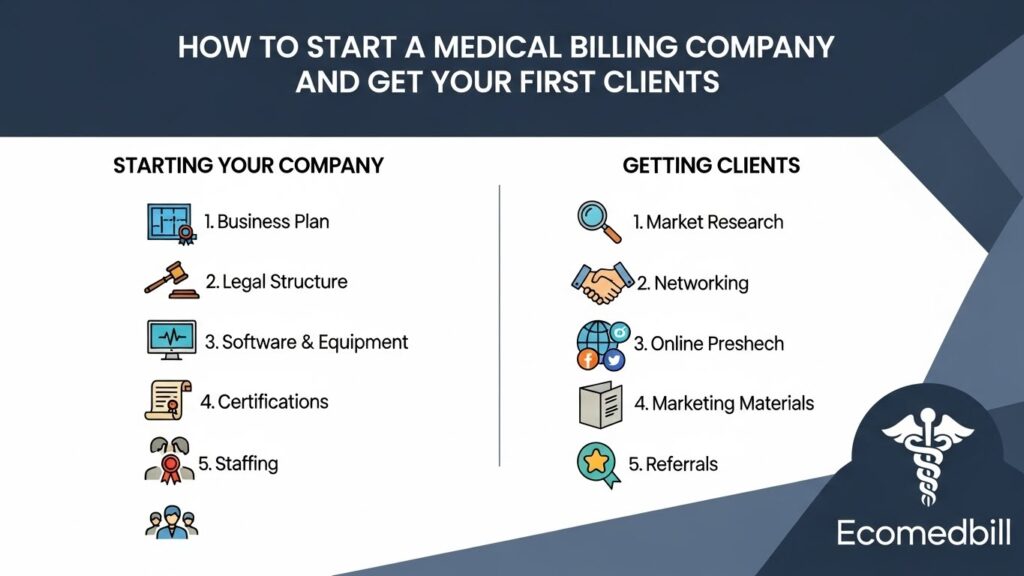
The healthcare industry is growing rapidly, and with it comes an increasing demand for accurate, efficient medical billing services. For entrepreneurs looking to enter a stable and profitable field, learning how to start a medical billing company can open the door to long-term success. Medical practices of all sizes rely on billing experts to manage claims, reduce denials, and ensure timely payments—making this business both essential and scalable.
In this comprehensive guide, we’ll walk through every step of starting a medical billing company, from planning and setup to marketing and acquiring your first clients.
Understanding the Medical Billing Industry
Medical billing involves translating healthcare services into standardized codes and submitting claims to insurance companies for reimbursement. Errors or delays in this process can significantly impact a practice’s revenue, which is why many providers outsource billing to specialized companies.
A professional medical billing business helps healthcare providers:
- Improve cash flow
- Reduce administrative workload
- Minimize claim denials
- Stay compliant with regulations
This growing reliance makes the industry an attractive option for entrepreneurs.
Why Start a Medical Billing Company?
There are several compelling reasons to enter this field:
- High demand: Healthcare providers always need billing support
- Low startup costs: Especially compared to other healthcare businesses
- Scalability: You can start small and grow as you add clients
- Remote opportunities: Many services can be offered from home
With the right skills and strategy, you can build a profitable and sustainable business.
Step 1: Learn the Basics of Medical Billing
Before launching your company, it’s essential to understand how medical billing works. This includes:
- Medical terminology
- ICD-10, CPT, and HCPCS coding systems
- Insurance claim submission processes
- Medicare and Medicaid rules
- HIPAA compliance
Many entrepreneurs gain this knowledge through online courses, certifications, or hands-on experience working with a medical billing company.
Step 2: Choose Your Business Model
Decide what type of services you want to offer. Common options include:
- Full-service medical billing
- Medical coding only
- Claims follow-up and denial management
- Institutional billing for hospitals and facilities
- Professional billing for individual providers
You may also choose to specialize in certain practice types, such as small clinics, specialists, or group practices.
Step 3: Create a Business Plan
A solid business plan acts as your roadmap. It should include:
- Business goals and vision
- Target market (e.g., small practices, specialists)
- Services offered
- Pricing structure
- Startup and operating costs
- Marketing strategy
Your plan will help guide decisions and can be useful if you seek funding or partnerships.
Step 4: Register Your Business and Meet Legal Requirements
To operate legally, you’ll need to:
- Register your business name
- Choose a legal structure (LLC, sole proprietorship, etc.)
- Obtain an EIN from the IRS
- Open a business bank account
- Secure a business license if required
If you plan to operate nationally as a medical billing company in usa, ensure compliance with federal and state regulations.
Step 5: Invest in Medical Billing Software
Reliable billing software is essential for efficiency and accuracy. Look for software that offers:
- Claims submission and tracking
- Denial management
- Reporting and analytics
- HIPAA compliance
- Integration with EHR systems
The right tools can significantly improve productivity and client satisfaction.
Step 6: Set Your Pricing Strategy
Pricing models vary across the industry. Common approaches include:
- Percentage of collections (usually 4%–10%)
- Flat monthly fee
- Per-claim pricing
Research competitors, including medical billing companies in Texas and other regions, to ensure your pricing is competitive while still profitable.
Step 7: Build Your Brand and Online Presence
A professional brand builds trust. Start with:
- A clean, informative website
- Clear descriptions of services
- Contact information and consultation options
- Testimonials or case studies as you grow
Many providers search online for a “medical billing company near me,” so local SEO and clear service pages can help attract clients.
Step 8: Market Your Medical Billing Company
Marketing is crucial, especially when starting out. Effective strategies include:
- Networking with healthcare providers
- Cold emailing or calling clinics
- Attending healthcare conferences
- Partnering with consultants or EHR vendors
- Online marketing and content creation
Highlight how your services can improve revenue and reduce administrative stress.
Step 9: How to Get Your First Clients
Landing your first clients is often the biggest challenge. Start by focusing on small practices that may not have in-house billing teams.
Tips to secure early clients:
- Offer free audits or consultations
- Provide introductory discounts
- Clearly explain your value proposition
- Emphasize accuracy, compliance, and support
Building strong relationships early can lead to long-term contracts and referrals.
Step 10: Deliver Exceptional Service
Once you sign clients, quality service is key. Focus on:
- Timely claim submissions
- Transparent reporting
- Clear communication
- Fast response to questions or issues
Satisfied clients are more likely to provide testimonials and refer others to your medical billing company.
Step 11: Scale Your Business
As your client base grows, consider scaling by:
- Hiring additional billers or coders
- Expanding into new states or specialties
- Offering add-on services like credentialing
- Automating workflows
Many successful owners eventually expand into multiple markets, including operating as a medical billing company in usa serving providers nationwide.
Understanding the Competitive Landscape
The industry includes a wide range of competitors, from solo operators to large medical billing and coding companies. To stand out:
- Specialize in a niche
- Offer personalized service
- Maintain high accuracy rates
- Stay updated on regulations
Researching top medical billing companies can also provide insights into best practices and service offerings.
Serving Small Practices Effectively
Small clinics often struggle with staffing and administrative costs. Offering medical billing services for small practices can be a strong niche, as these providers value affordability, reliability, and hands-on support.
Tailoring your services to their needs can help you build a loyal client base.
Regional Opportunities and Expansion
Different regions present unique opportunities. For example, healthcare growth in states like Texas has increased demand for billing services, making medical billing companies in Texas an active and competitive market.
Understanding local regulations and payer requirements can give you an advantage when expanding regionally.
Common Challenges and How to Overcome Them
Starting a medical billing business isn’t without challenges. Common issues include:
- Learning complex regulations
- Competing with established firms
- Managing cash flow early on
These challenges can be overcome through continuous learning, strong client relationships, and careful financial planning.
Long-Term Success Strategies
To build a sustainable business:
- Stay current with coding and billing changes
- Invest in staff training
- Monitor performance metrics
- Continuously improve client communication
Consistency and professionalism are what turn a startup into a trusted industry partner.
Final Thoughts
Learning how to start a medical billing company is the first step toward building a reliable and scalable business in the healthcare industry. With the right knowledge, tools, and marketing strategy, you can successfully launch your company, attract your first clients, and grow over time.
Whether you aim to serve local clinics searching for a medical billing company near me or expand nationally as a medical billing company in usa, success depends on accuracy, compliance, and trust. By focusing on quality service and client relationships, you can position your business for long-term growth and profitability.